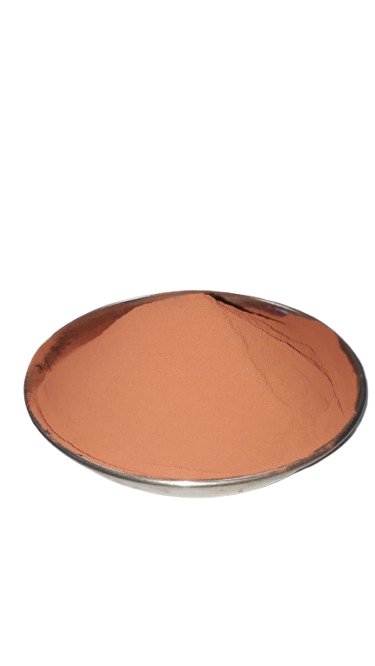
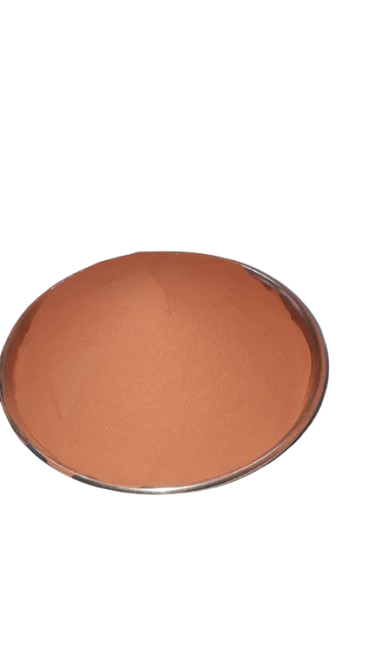
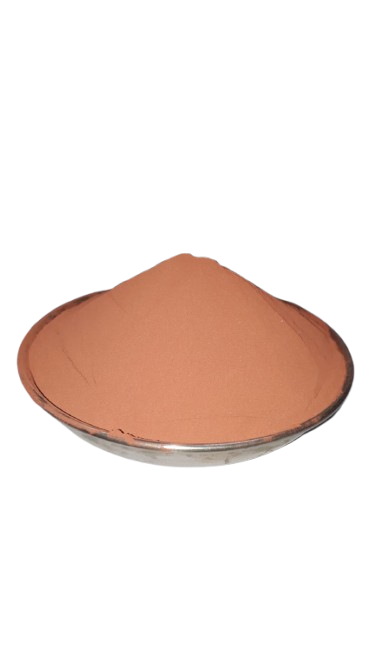
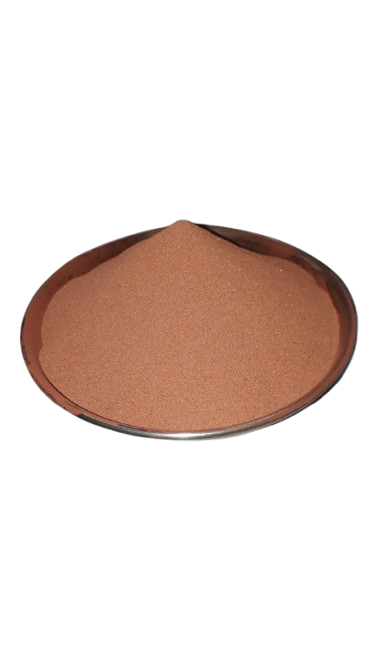
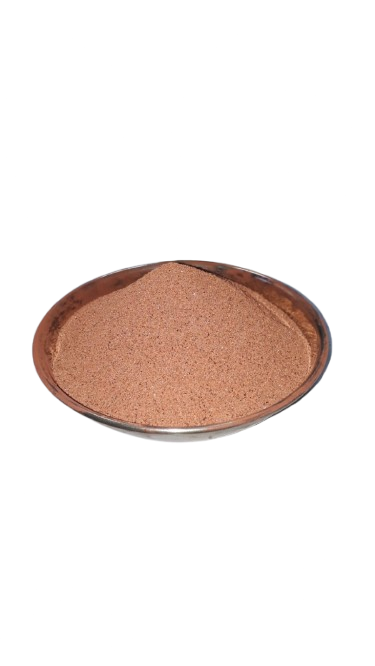
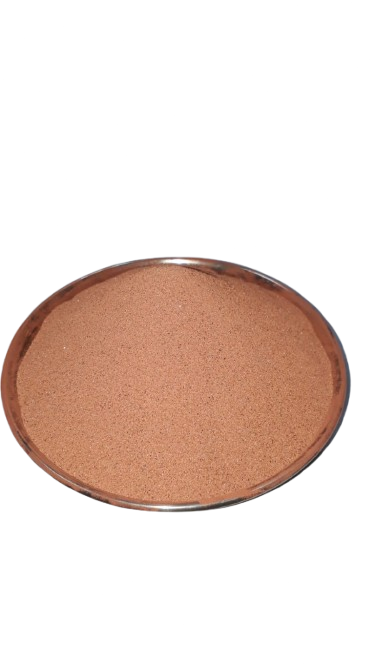
Arti Metal is a specialized manufacturer dedicated exclusively to the production of high-purity electrolytic copper powder. From our facility in Jaipur, Rajasthan, we serve critical industrial applications worldwide with precision-engineered copper powders that meet the most demanding specifications.
Unlike diversified metals companies, we focus entirely on electrolytic copper powder — understanding that true expertise comes from specialization. This singular focus allows us to invest in the best electrochemical processes, the most rigorous testing protocols, and the deepest technical knowledge in our field.
"To manufacture world-class electrolytic copper powder with unwavering commitment to quality, precision, and customer success through scientific excellence."
"To be recognized globally as the trusted partner for high-purity dendritic copper powder, setting industry standards for quality, reliability, and technical expertise."
Electrochemistry: Anode: Cu → Cu2+ + 2e- | Cathode: Cu2+ + 2e- → Cu (powder) | Electrolyte: CuSO₄ · H₂SO₄ · H₂O
Controlled current density (150–300 A/m²), temperature (45–55°C), and electrolyte concentration (5–10 g/L Cu, 120–150 g/L H₂SO₄) produce the characteristic dendritic morphology.
Faster sintering · Better reactivity
Particle interlocking · Complex shapes
0.6–4.5 g/cm³ · Application-specific
We manufacture only electrolytic copper powder — nothing else. Every process, investment, and team member's expertise is dedicated to copper powder excellence. Deep expertise from singular focus.
Batch-to-batch reproducibility backed by statistical process control. Certificate of Analysis with every shipment. Testing per IS and ASTM standards. Complete traceability from raw material to dispatch.
Our team doesn't just supply powder — we solve application challenges. Grade selection guidance, formulation advice, process troubleshooting, and custom grade development from 50 kg trials.
From laboratory evaluation quantities to multi-ton industrial orders. Custom packaging, nitrogen blanketing, special labeling. Just-in-time delivery arrangements and annual contracts available.
Jaipur's central India location provides excellent pan-India logistics. Proven export experience with established global logistics partnerships. Letter of Credit accepted. Full export documentation.
Direct manufacturer pricing with no intermediaries. Transparent pricing structure. Long-term partnership approach over transaction-based relationships. Volume discounts for annual contracts.
All grades: Dendritic morphology · 99.80% Cu minimum · Moisture <0.20% · IS & ASTM compliant · Certificate of Analysis with every shipment · Colour: Copper / Reddish
| Grade | Hall's Flow (sec/50g) IS 4840 |
Purity IS 440 |
A.D. (g/cc) IS 4848 |
Screen Analysis — Mesh (ASTM B214 / IS 460) | H₂ Loss Max % IS 11627 |
Particle Shape | |||
|---|---|---|---|---|---|---|---|---|---|
| −60/+100 | −100/+200 | −200/+325 | −325 | ||||||
| A118 | NF | 99.80% | 0.6 – 0.9 | — | — | BAL | 95 – 99 | 0.35 | Highly Dendritic |
| A123 | NF | 99.80% | 0.8 – 1.0 | — | Tr | BAL | 85 – 99 | 0.35 | Highly Dendritic |
| A128 | NF | 99.80% | 1.0 – 1.2 | — | Tr | BAL | 80 – 98 | 0.35 | Dendritic |
| A135 | 36 – 40 | 99.80% | 1.2 – 1.6 | — | 20 – 35 | BAL | 40 – 60 | 0.35 | Dendritic |
| A200 | 30 – 33 | 99.80% | 2.8 – 3.0 | — | 70 – 80 | 10 – 15 | BAL | 0.35 | Dendritic |
| A210 | 25 – 30 | 99.80% | 3.6 – 4.5 | 60 – 80 | 10 – 20 | BAL | — | 0.35 | Dendritic |
NF = Non-Flowing | BAL = Balance (remainder after other fractions) | Tr = Trace (<2%) | — = Nil / Not Present | A.D. = Apparent Density | H₂ Loss per IS 11627:1986 / ASTM B212
| Parameter | Specification | IS Standard | ASTM Standard | Method / Equipment |
|---|---|---|---|---|
| Copper (Cu) Purity | ≥ 99.80% | IS 440 | ASTM E53 | Electrolytic gravimetric / ICP-OES |
| Iron (Fe) | < 0.010% | IS 440 | ASTM E53 | Trace element analysis |
| Lead (Pb) | < 0.005% | IS 440 | ASTM E53 | Trace element analysis |
| Moisture Content | < 0.20% | IS 8871:2004 | ASTM B212 | Loss on drying at 105°C, 2 hours |
| Hydrogen Loss (H₂ Loss) | ≤ 0.35% max | IS 11627:1986 | ASTM B212 | H₂ atmosphere, 400°C, 30 min — indicates oxide content |
| Apparent Density | Grade-specific | IS 4848:1981 | ASTM B212 | Hall Flowmeter, calibrated 25 cm³ cup |
| Hall Flow Rate | NF or 25–40 sec/50g | IS 4840:2006 | ASTM B213 | Hall Flowmeter funnel, 2.5 mm orifice, 50g sample |
| Particle Size Distribution | Grade-specific | IS 460 | ASTM B214 | Mechanical sieve shaker, ASTM E11 sieves, 100g, 15–20 min |
| Particle Shape | Dendritic / Highly Dendritic | — | — | LOM / SEM, 100X–5000X magnification |
Arti Metal electrolytic copper powder serves demanding applications across seven major industries. Our dendritic morphology, controlled particle size distribution, and 99.80% purity make the difference between adequate performance and exceptional reliability.
Custom Specifications: Every industry demands its own kind of powder specifications — specific apparent density, particle size distribution, flow characteristics, and purity levels. At Arti Metal, we are ready to cater to your desired powder properties. Our technical team works closely with customers to develop and supply grades precisely tailored to their application requirements — from standard grades to fully customized formulations.
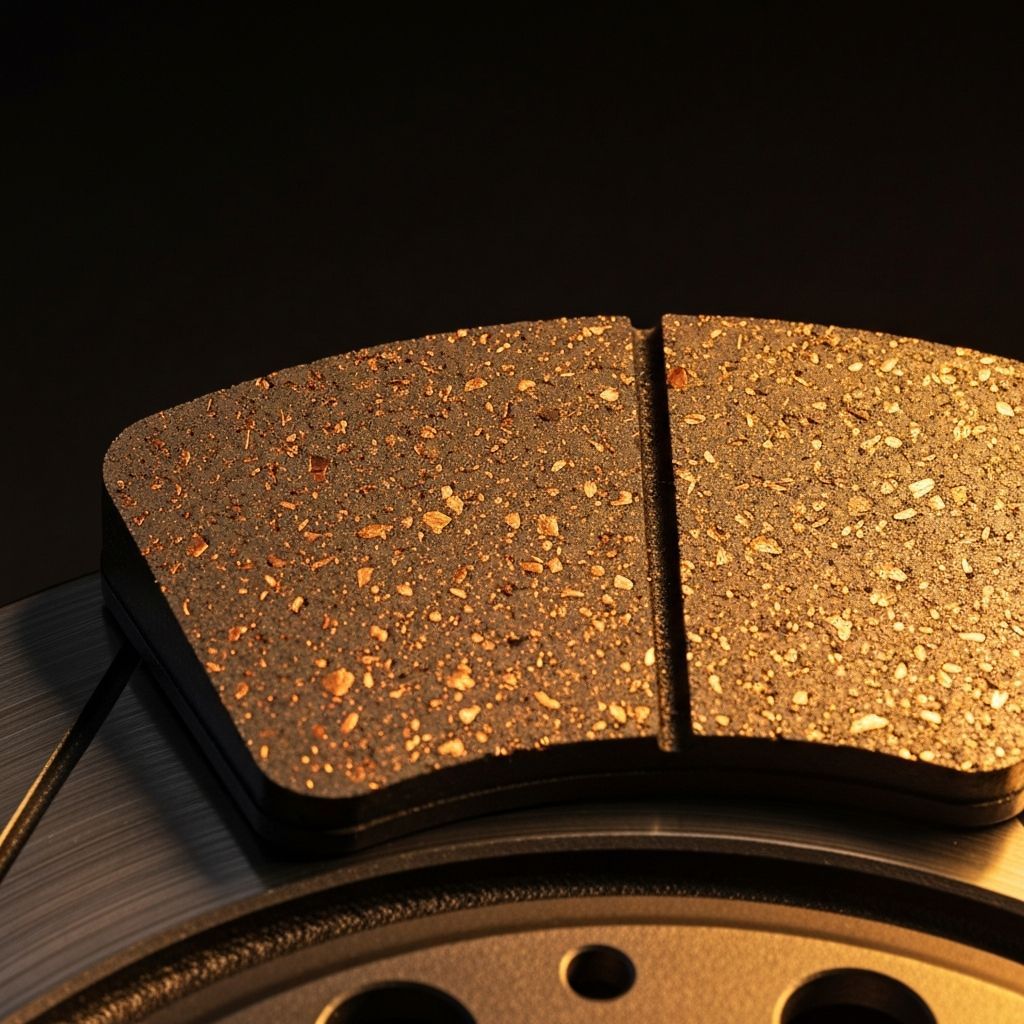
Copper's 401 W/m·K thermal conductivity dissipates heat, prevents thermal fading, and forms a stable tribolayer (μ = 0.35–0.45). Dendritic particles provide structural reinforcement and noise dampening.

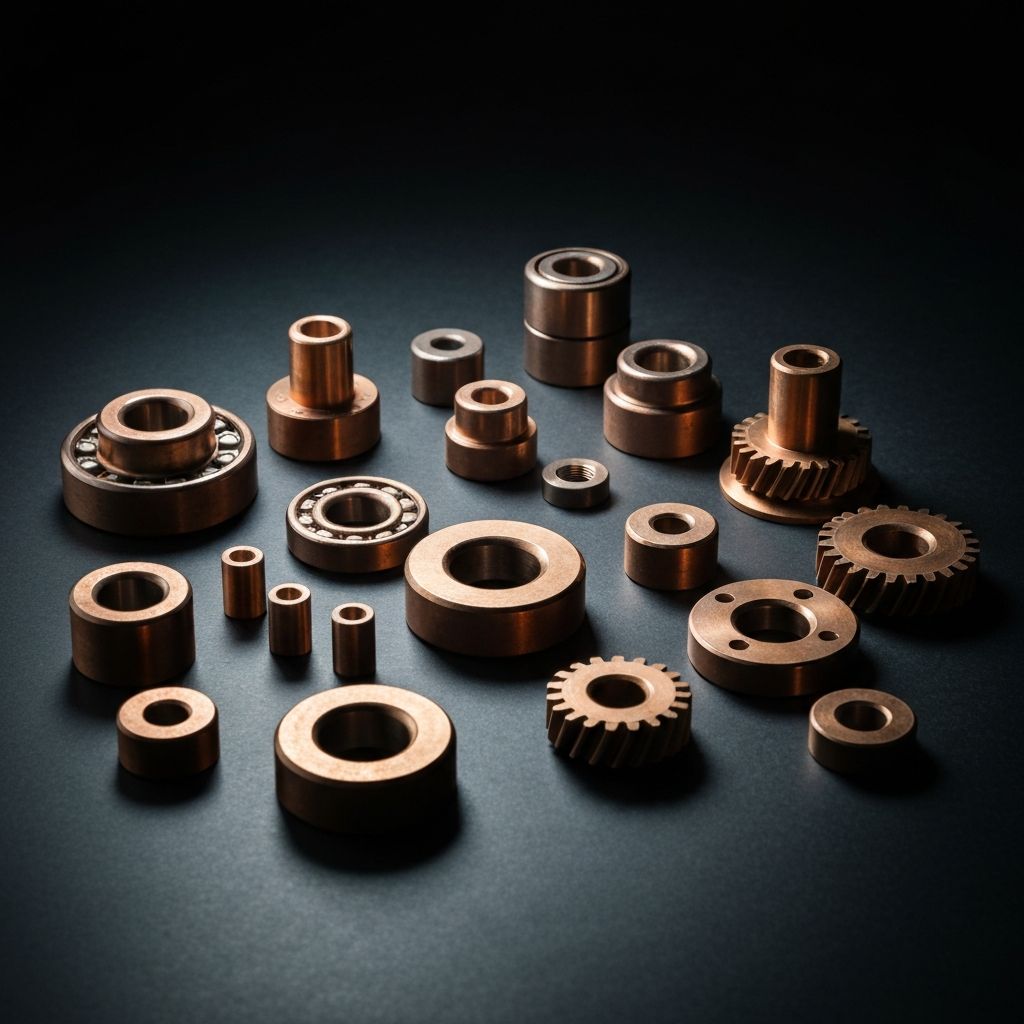
Bronze bearings (90Cu/10Sn), iron-copper alloy parts (0.5–10% Cu addition), electrical contacts (Ag-Cu, Cu-W). Dendritic morphology ensures uniform mixing, excellent green strength, and fast sintering.

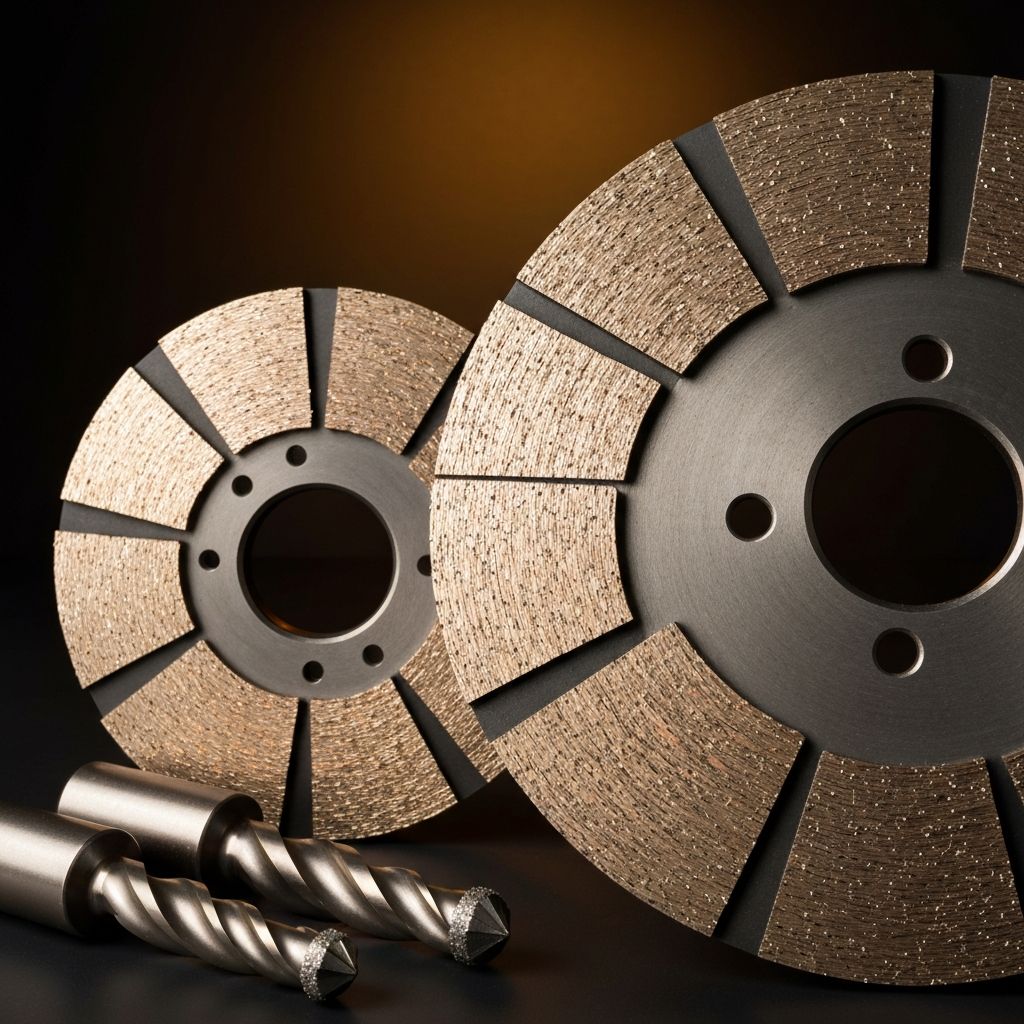
Copper matrix holds diamond particles, dissipates heat (prevents graphitization), and provides controlled wear for self-sharpening behavior. Lower sintering temperature (700–900°C) vs. iron or cobalt.

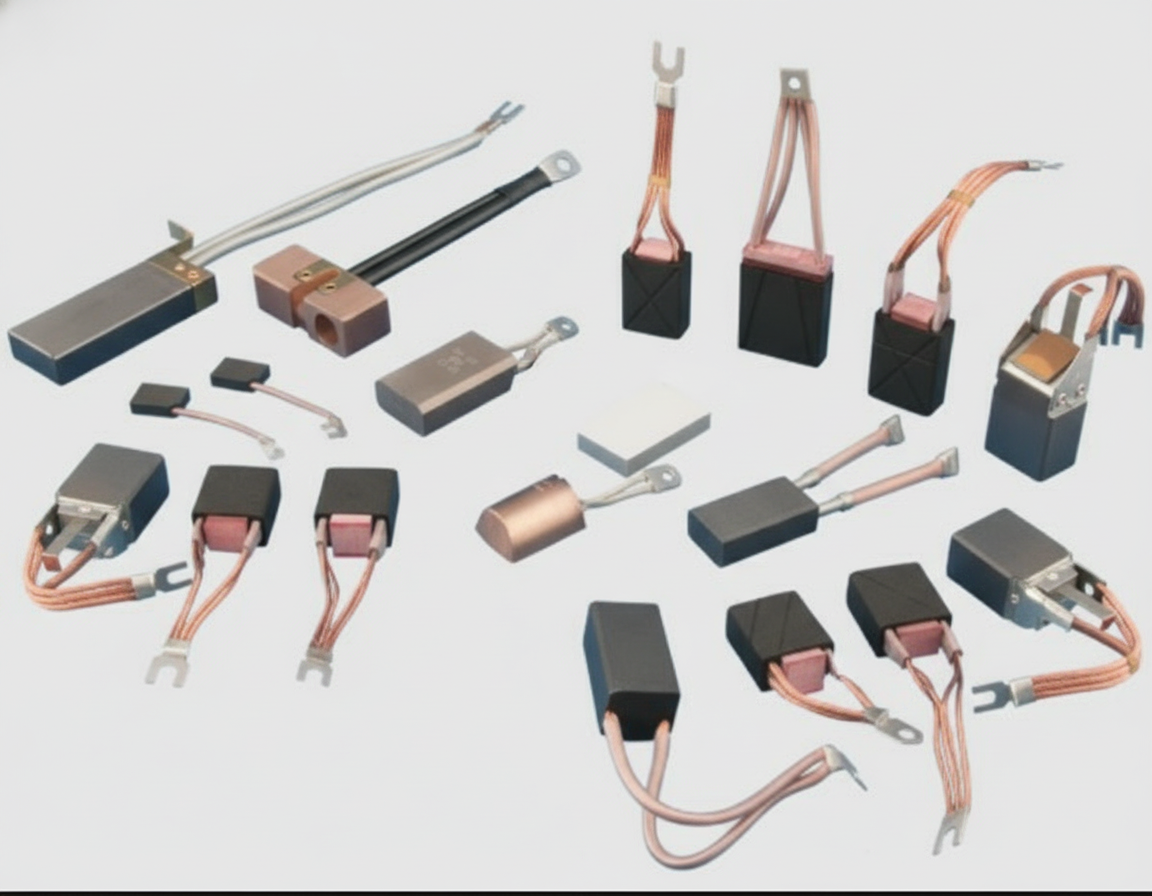
Copper powder (10–80% Cu) in carbon brush formulations reduces contact resistance, improves thermal management, and provides structural integrity. Dendritic particles interlock with graphite for superior bonding.

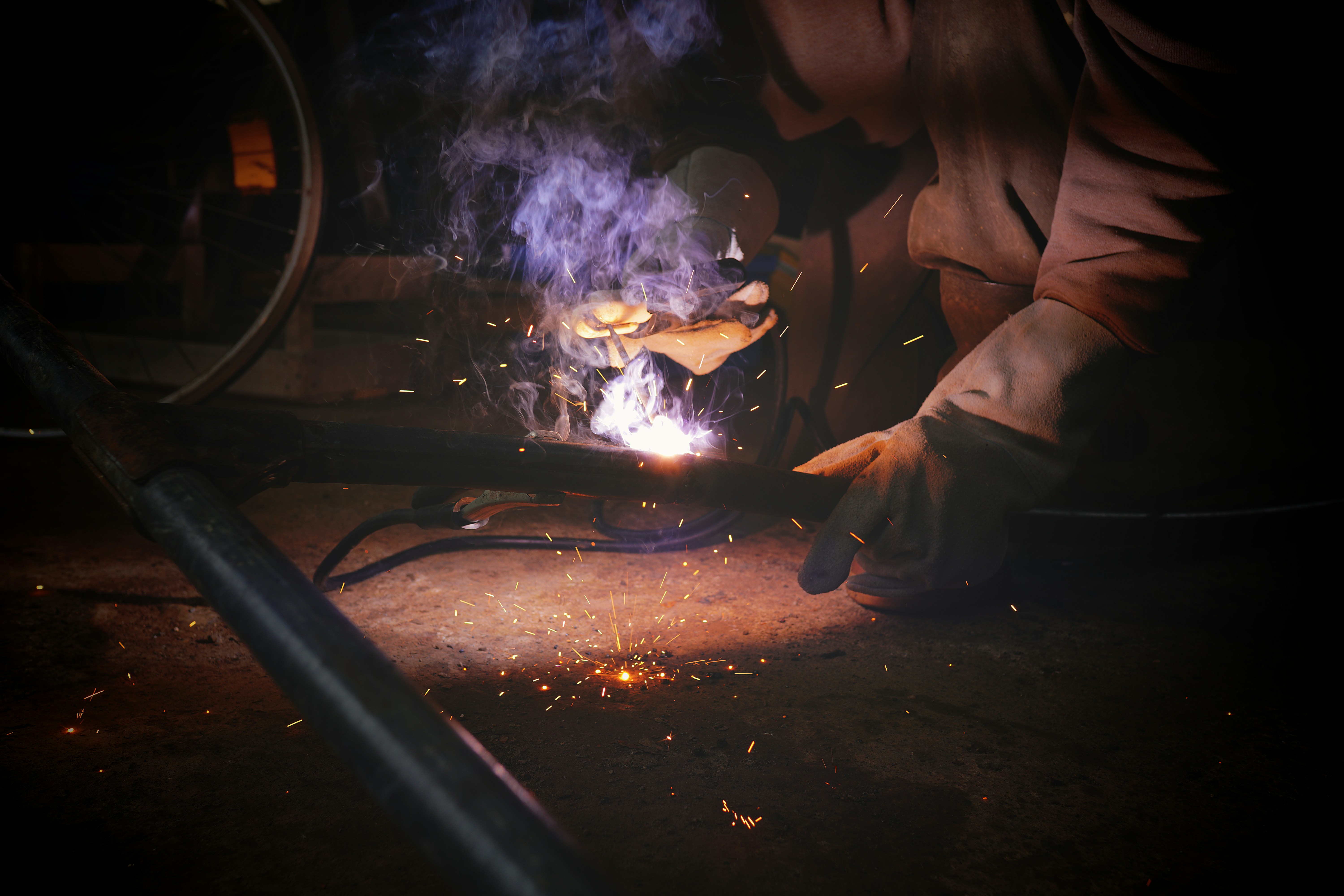
Cu-P brazing pastes (Cu + 5–9% P) are self-fluxing for copper-to-copper joints at 700–800°C. Ag-Cu-P alloys for refrigeration. Flux-cored welding wires for automated operations.

Conductive inks (75–85% Cu) for PCB, RFID, solar cell metallization. Chemical catalysts (hydrogenation, Ullmann coupling, click chemistry) benefit from maximum surface area and 99.80% purity.
| Application | A118 | A123 | A128 | A135 | A200 | A210 |
|---|---|---|---|---|---|---|
| Automotive Brake Pads | ● | ●● | ●● | ● | — | — |
| Railway Brake Pads (PM) | — | — | — | ● | ●● | ●● |
| Carbon Brushes (Electrographitic) | ●● | ●● | ● | — | — | — |
| Carbon Brushes (Copper-Graphite) | — | ● | ●● | ●● | — | — |
| Bronze Bearings (PM) | — | ●● | ●● | ● | — | — |
| Diamond Tools (Fine) | ●● | ●● | ● | — | — | — |
| Diamond Tools (Coarse) | — | — | ● | ●● | ●● | — |
| Conductive Inks / Catalysts | ●● | ●● | ● | — | — | — |
●● = Primary recommendation | ● = Suitable | — = Not recommended | Custom grades available on request for specific application requirements
At Arti Metal, quality is not an inspection step — it is embedded in every stage of our manufacturing process. From raw material selection through electrochemical deposition, washing, reduction, and classification, consistent powder properties are ensured through scientific control and statistical process monitoring. Every batch undergoes comprehensive testing per Indian Standards (IS) and ASTM equivalents. Records are retained for a minimum of 5 years.
| Test Parameter | IS Standard | ASTM Standard | BSS | Method Description & Equipment |
|---|---|---|---|---|
| Chemical Analysis (Cu%) | IS 440 | ASTM E53 | — | Electrolytic gravimetric or ICP-OES. Spec: ≥99.80% Cu. Trace elements: Fe, Pb, Ni, Sn, Ag monitored. |
| Apparent Density | IS 4848:1981 | ASTM B212 | — | Hall Flowmeter apparatus with calibrated 25 cm³ density cup. Powder flows freely into cup. Result: g/cm³. Multiple tests per batch. |
| Hall Flow Rate | IS 4840:2006 | ASTM B213 | — | Hall Flowmeter funnel with 2.5 mm orifice. Time for 50g powder to flow. Result: sec/50g. Non-flowing grades reported as NF. |
| Sieve Analysis (PSD) | IS 460 | ASTM B214 | BSS 410 | Mechanical sieve shaker with ASTM E11 standard sieves. Sample: 100g. Sieving time: 15–20 min. Mesh sizes: 60, 100, 200, 325. |
| Hydrogen Loss (H₂ Loss) | IS 11627:1986 | ASTM B212 | — | Sample heated in H₂ atmosphere at 400°C for 30 min. Weight loss indicates oxide content. Spec: ≤0.35% max. |
| Moisture Content | IS 8871:2004 | ASTM B212 | — | Loss on drying at 105°C for 2 hours. Spec: <0.20%. Critical for storage stability and processing behavior. |
| Morphological Analysis | — | — | — | Light Optical Microscopy (LOM) at 100X–500X and Scanning Electron Microscopy (SEM) at 100X–5000X. Assessment: dendritic character, aspect ratio, agglomeration. |
| Tap Density | IS 4848 | ASTM B527 | — | Powder tapped in graduated cylinder under standardized conditions. Hausner ratio = Tap Density / Apparent Density (HR <1.25 = good flow). |
Traceability: Complete batch records from raw material to finished product. Batch/Lot number, manufacturing date, all test results, and approval signatures on every Certificate of Analysis. Records retained minimum 5 years.
| ASTM / US Mesh | Tyler Mesh | IS 460 | BSS 410 | Aperture (mm) | Aperture (µm) | Wire Dia. (mm) | Relevance to Copper Powder |
|---|---|---|---|---|---|---|---|
| No. 20 | 20 | 850 µm | 18 | 0.850 | 850 | 0.510 | Coarse screening |
| No. 30 | 28 | 600 µm | 25 | 0.600 | 600 | 0.390 | Coarse screening |
| No. 40 | 35 | 425 µm | 36 | 0.425 | 425 | 0.290 | Coarse screening |
| No. 60 | 60 | 250 µm | 60 | 0.250 | 250 | 0.180 | Used in A135, A200, A210 |
| No. 80 | 80 | 180 µm | 85 | 0.180 | 180 | 0.131 | Intermediate |
| No. 100 | 100 | 150 µm | 100 | 0.150 | 150 | 0.110 | Key sieve — all grades |
| No. 120 | 115 | 125 µm | 120 | 0.125 | 125 | 0.091 | Intermediate |
| No. 200 | 200 | 75 µm | 200 | 0.075 | 75 | 0.053 | Key sieve — all grades |
| No. 270 | 270 | 53 µm | 300 | 0.053 | 53 | 0.037 | Fine powder analysis |
| No. 325 | 325 | 45 µm | 350 | 0.045 | 45 | 0.030 | Key sieve — fine grades A118, A123, A128 |
| No. 400 | 400 | 38 µm | 400 | 0.038 | 38 | 0.025 | Ultra-fine analysis |
| No. 500 | 500 | 25 µm | 500 | 0.025 | 25 | 0.020 | Ultra-fine analysis |
| Fundamental Properties | |
|---|---|
| Atomic Number | 29 |
| Atomic Weight | 63.546 g/mol |
| Crystal Structure | FCC |
| Density (bulk) | 8.96 g/cm³ |
| Melting Point | 1,085°C |
| Boiling Point | 2,562°C |
| Electrical Conductivity | 5.96×10⁷ S/m |
| Thermal Conductivity | 401 W/m·K |
| Thermal Expansion | 16.5×10⁻⁶ /°C |
| Specific Heat | 0.385 J/g·K |
| Hardness (Vickers) | 369 MPa |
| Tensile Strength | 210 MPa |
| Elastic Modulus | 110–128 GPa |
| Magnetic | Diamagnetic |
| Property | Electrolytic | Atomized |
|---|---|---|
| Morphology | Dendritic | Spherical |
| App. Density | 0.6–4.5 | 2.5–5.5 |
| Surface Area | High | Lower |
| Green Strength | Excellent | Good |
| Purity | >99.80% | >99.0% |
| Sintering | Fast | Moderate |
| Best For | Friction, PM, Brushes | 3D print, Spray |
| Parameter | Range | Effect on Powder |
|---|---|---|
| Current Density | 150–300 A/m² | Higher → more dendritic, lower apparent density |
| Cu Ion Conc. | 5–10 g/L | Lower → more dendritic morphology |
| H₂SO₄ Conc. | 120–150 g/L | Controls electrolyte conductivity |
| Temperature | 45–55°C | Higher → faster deposition, coarser particles |
| Deposition Time | Process-specific | Controls particle size and batch yield |
| Reduction Temp. | 300–400°C | Eliminates oxides, achieves ≥99.80% purity |
Monitoring: All parameters continuously monitored via automated control systems. Batch records retained for minimum 5 years for full traceability.